

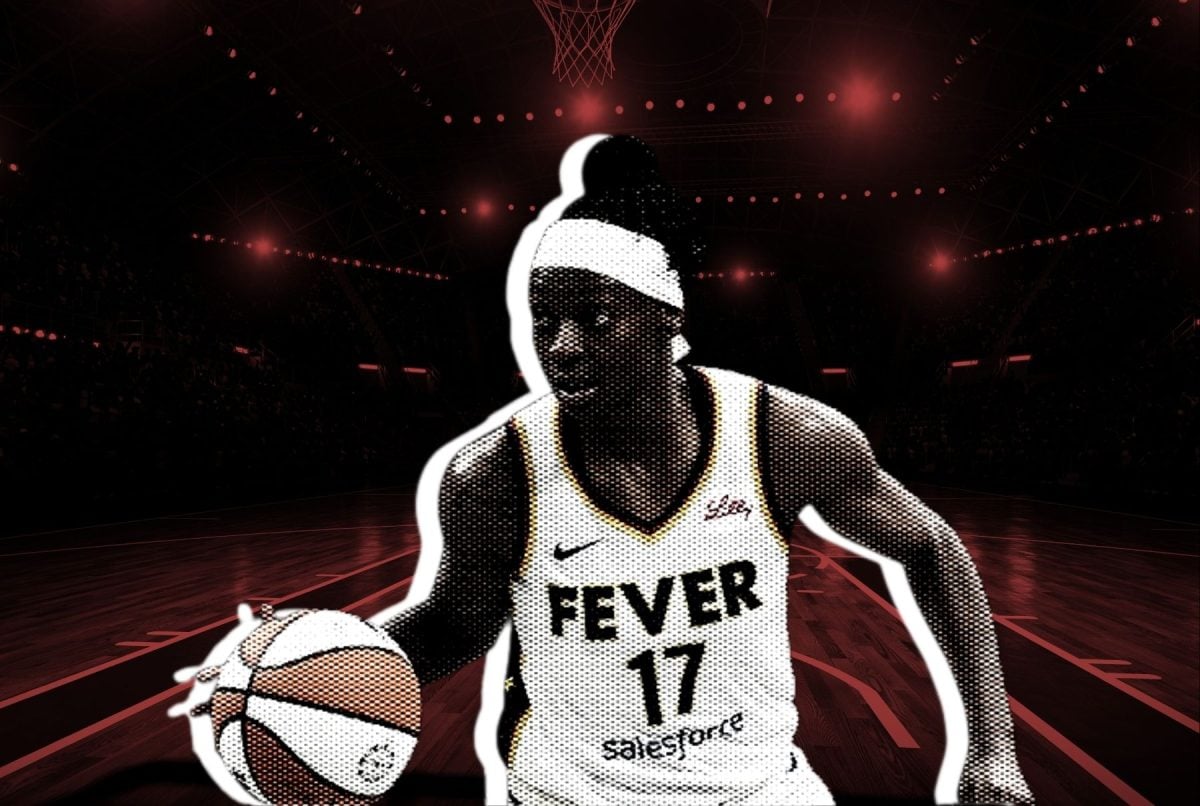
Erica Wheeler has built a career out of doing the unexpected. The Los Angeles Sparks guard went undrafted, then made WNBA history in 2019 as the first undrafted player ever to win an All-Star Game MVP. Now she’s made history again, this time off the court entirely, becoming the first professional basketball player, and the first WNBA player specifically, to sign an official corporate partnership with OnlyFans.
Wheeler knew exactly what reaction that news would generate, and she’s leaning directly into the conversation rather than dodging it. “I think it’s a stamp on OnlyFans that it’s only for adult content, and I don’t think it’s that,” she explains. Her actual page, she says, is built around workout content, family moments, and behind-the-scenes glimpses of her life as a professional athlete, not the explicit material most people assume the platform means by default. “I want to be one of the ones to show the world that it’s not just about adult content,” she said.
Wheeler’s response to potential critics is characteristically blunt, and it doubles as a decent summary of her whole career arc. Asked what she’d say to anyone taking issue with the partnership, she didn’t hedge: “I would ask them, ‘What they doing in their personal life?’ Who are you to ask me what I do in my personal life? What I do shouldn’t amount to anything that another human being has going on.” She went further, pointedly noting that a lot of the people most likely to judge her are, in her words, sitting on their couch doing nothing productive on a fraction of her income. It’s not a diplomatic answer, but it doesn’t need to be. Wheeler spent years building a WNBA career after the league itself passed on her in the draft, and she doesn’t appear to have much patience left for outside opinions on decisions that are, by definition, hers to make.
She’s also not treating the OnlyFans account itself as a numbers game. Unlike creators chasing subscriber counts or specific income targets, Wheeler says she has “no goal” attached to her own page. Instead, her mission is to reshape how people perceive the platform overall, using her own name and career as proof of concept.
Wheeler isn’t the first WNBA name connected to OnlyFans, even if she’s the first to formalize a corporate partnership. Former WNBA star Liz Cambage joined the platform after a rocky exit from Olympic competition and later said she’d made more money from OnlyFans than she ever did across her entire basketball career. That’s probably an accurate claim, and an important one in the conversation around athlete pay in women’s professional sports. Salaries have historically lagged far behind men’s leagues despite comparable or greater public attention. Cambage’s numbers are part of a broader pattern across women’s sports and athletics more generally: former UFC fighters Paige VanZant, Felice Herrig, and Jessica Andrade have all explored the platform in recent years, each finding that direct fan monetization can outpace what their sport’s own pay structure offered them. Wheeler’s move formalizes what had been an informal, individual trend into an actual corporate relationship, and she’s signaling it won’t stay a solo act. Asked whether more WNBA players might follow her lead, she didn’t hesitate: “The announcements will come soon, you’ll find out real soon,” calling it “1,000%” likely that others are already lining up.
What ties Wheeler’s history-making moment to Cambage’s and to the broader wave of athletes turning to platforms like OnlyFans is a consistent, uncomfortable truth about how women’s professional sports still pay relative to men’s, and how directly those athletes are now working around that gap rather than waiting for leagues to close it themselves. Wheeler spent years proving her worth on the court against long odds. Now she’s applying the same logic off it: build the audience, control the revenue, stop waiting for someone else’s structure to value the work correctly.