
Washington just affirmed what millions of creators have been saying for years: you’re a small business.
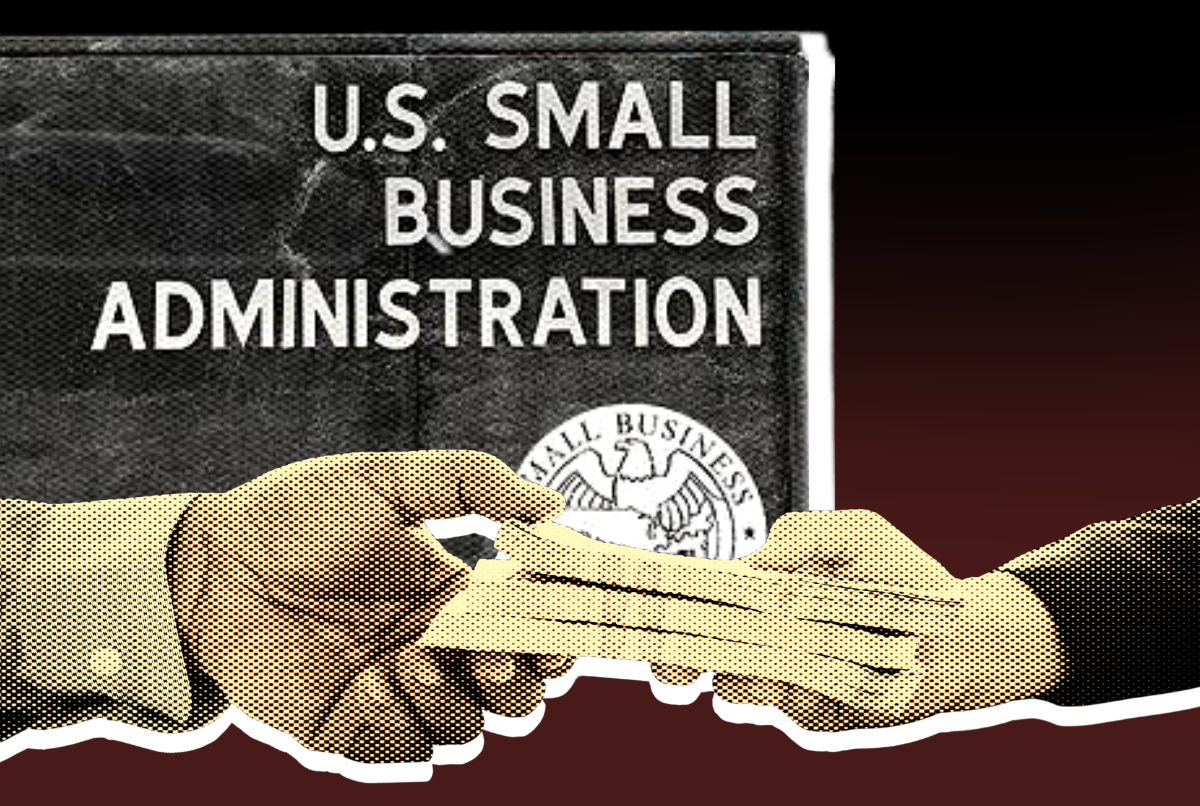
The U.S. Small Business Administration announced October 15 that qualifying content creators fall under NAICS code 5121, Motion Picture and Video Industries, for purposes of SBA lending and contracting. The agency says the clarification covers 27 million creator-led businesses and is the first time it has issued classification guidance that specifically names content creators. Filmmakers, video producers, podcasters, streamers, gamers, digital publishers, social-media entrepreneurs, and creative agencies are all in the mix. Creators are told to start with 5121 and then pick the six-digit code that best matches their main activity.
Creator businesses could already qualify for SBA support if they met program requirements. What they lacked was clarity, since their work often spans production, editing, distribution, marketing, and monetization across several platforms. “America’s creators are entrepreneurs who build businesses from original ideas, unique audiences, and content into thriving small businesses that create jobs,” said SBA Administrator Kelly Loeffler. Daniel Abas, president of the Creators Guild of America, which lobbied for the change, put it more simply: “Content creators are small businesses, and always have been.” The SBA is also taking comments until November 20 on a broader size-standards rule and on whether to create a permanent industry exception just for creators.
The move is a win for creators, and a chance for them to get the financial support many need. A 2025 Visa report found that 68 percent of surveyed creators see themselves as small business owners, but 86 percent finance operations with personal funds and just 19 percent use business credit or debit cards. Only 28 percent have accessed specialized creator funding like platform funds or creator loans, and 47 percent rely on friends or family. A defined path into federal lending programs will help many of these creators grow their business in ways they’ve longed to, if only they’d had the financial resources to do so.
But classification is the easy part. Creators still have to get through the door at the places that move money, and that’s where things can get complicated for some creators. The SBA’s announcement doesn’t mention adult content, and long-standing SBA loan rules bar businesses that present live performances of a prurient sexual nature, or that earn more than a minimal share of revenue from depictions or products of a prurient sexual nature. Whether and how that applies to OnlyFans creators will likely depend on what they sell. Many of the platform’s creators, from athletes to comedians, post nothing explicit. Those who do are likely outside the loan program no matter what code they pick.
That’s the same pattern creators in the adult industry have met everywhere else money is involved. This month, the Office of the Comptroller of the Currency released a debanking report on nine major banks that never mentioned the adult industry, even though a preliminary version named it as a sector facing discrimination. Considering how many creators find themselves with few financing options, even when it comes to basic checking accounts, it is baffling that they were left out in the latest report. After all, payment processing issues were one of the primary reasons OnlyFans briefly announced an explicit-content ban in 2021 before reversing the decision after public backlash.
So while the government has recognized creators as small businesses, and universities, studios, and ad agencies are catching up, payment processors, banks, and lenders are still lagging. A classification code doesn’t help a creator whose account gets closed without explanation. The most useful thing a financial platform could do right now is what the SBA just did: treat creators like the small businesses they are and apply one standard.